
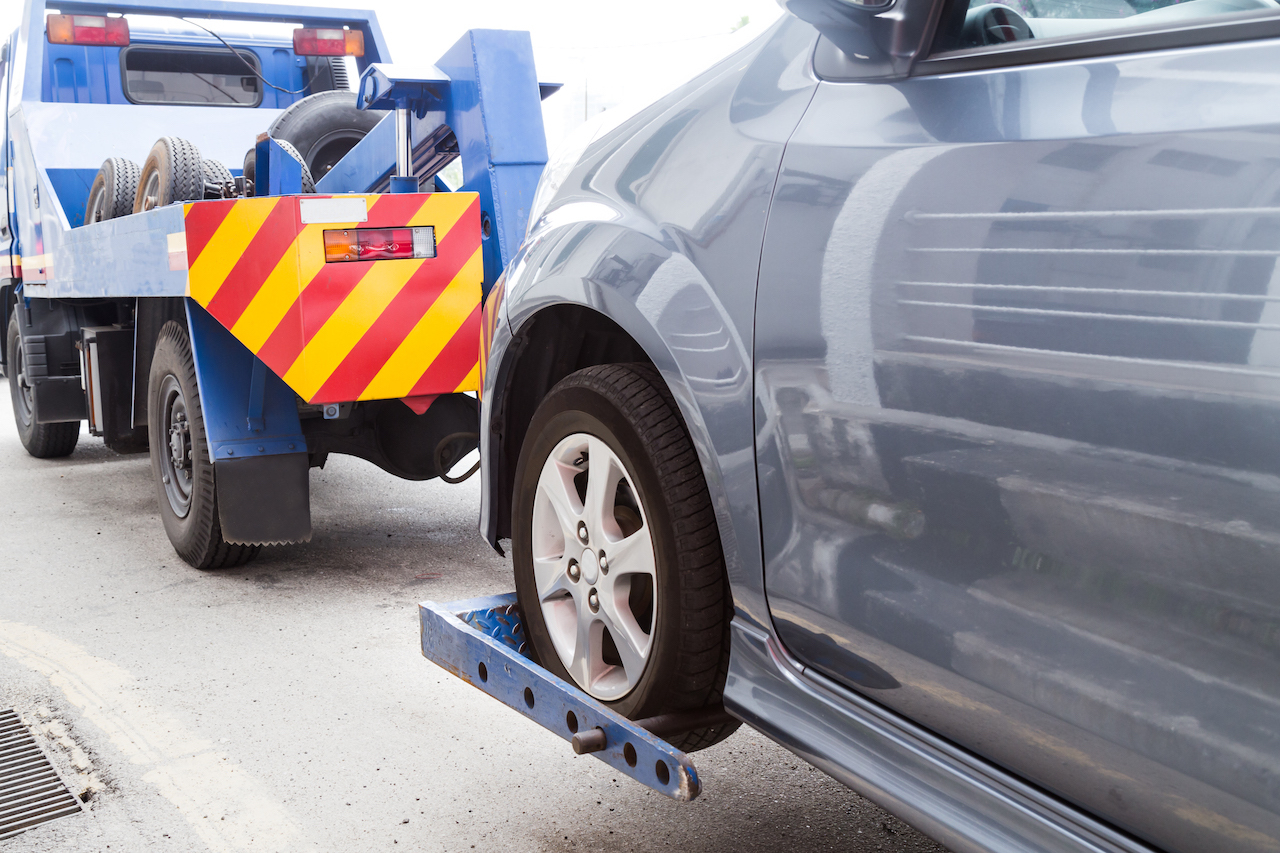
The singapore towing service infrastructure represents one of those remarkable urban systems that remains invisible until you need it. Consider what happens when a vehicle breaks down on the Central Expressway during peak hours. Within minutes, a complex mechanism activates: cameras detect the obstruction, dispatch systems route the nearest recovery vehicle, traffic protocols engage, and crisis is averted. This is not merely about moving broken cars. It is about maintaining the delicate equilibrium of a city-state where traffic congestion carries genuine economic consequences and mobility underpins prosperity.
The Anatomy of Urban Resilience
Singapore’s approach to vehicle recovery reveals how organised societies manage disruption. The city has evolved a two-tiered system balancing public infrastructure with private enterprise.
The Expressway Monitoring & Advisory System, known as EMAS, functions as first response. Through surveillance cameras covering major expressways, authorities monitor traffic in real time. When a vehicle fails, recovery crews are dispatched to arrive “within approximately 15 minutes.” This rapid response reflects understanding that stalled vehicles are systemic threats. A single breakdown can trigger cascading delays affecting thousands of commuters.
Yet EMAS operates within defined boundaries. The service will transport disabled vehicles only “to the nearest designated car park outside the expressways.” Beyond that threshold, responsibility transfers to the private sector.
The Price of Breakdown
The economics of vehicle recovery in Singapore illuminate how services are valued across urban populations. Industry data indicates that “basic towing starts from $80 for two-wheel and $140 for four-wheel towing of standard vehicles.”
Distance exerts straightforward influence on cost. Most operators bundle approximately ten kilometres into base rates, then levy three to five additional dollars per kilometre thereafter. This creates a geography where breakdown location significantly impacts total cost.
Temporal factors introduce another dimension. Services requested between 7 PM and 7 AM carry a premium of approximately ten dollars. Public holidays impose similar surcharges. The rationale is economically logical, but the effect makes misfortune more expensive when it occurs at inconvenient times.
Vehicle characteristics further complicate pricing. Electric vehicles require specialised handling, resulting in rates of $110 for two-wheel and $160 for four-wheel towing. Sports cars and luxury vehicles necessitate flatbed transport costing between $160 and $310.
The Technology Gradient
The equipment deployed by singapore towing service exists along a spectrum, each option carrying different implications for vehicle safety and cost.
Wheel lift technology dominates the lower end. These trucks employ hydraulic booms to elevate a vehicle’s front axle whilst leaving rear wheels in road contact. The method offers efficiency for short distances but exposes all-wheel-drive systems to potential damage.
Flatbed carriers occupy the premium tier. These vehicles feature hydraulic platforms that lower to ground level, creating a ramp onto which the entire vehicle can be driven or winched. The benefits extend beyond convenience:
- Eliminates risk of drivetrain damage during transport
- Protects low-clearance vehicles from scraping
- Essential for severely damaged cars unable to roll
- Required for electric vehicles with sensitive electronics
- Reduces liability exposure for both operator and owner
The cost differential, typically $50 to $100, represents insurance against compounding an already unfortunate situation.
The Regulatory Scaffolding
Singapore’s governance of vehicle recovery operations reflects its characteristic approach to urban management: detailed, pragmatic, focused on measurable outcomes. The Land Transport Authority mandates that all towing operators maintain vehicles that are “in good operating condition and meet industry safety standards.” This requirement establishes accountability and professionalises the sector.
For heavy recovery vehicles, additional regulations apply. Those exceeding 12,000 kilograms maximum laden weight must incorporate blind spot monitoring through mirrors or cameras. Speed limiters become mandatory at certain weight thresholds.
The Hidden Pressures
Location introduces complexities that standard pricing fails to capture. Multi-storey car parks present navigation challenges. Basement facilities require manoeuvring through tight corners and low clearances. Checkpoints and restricted zones demand security screening and special permits.
Certain locations command particularly high premiums. Jurong Island, Singapore’s petrochemical complex, requires extensive security protocols. Changi Airport terminals impose specific access procedures. These geographic premiums create an uneven landscape where identical services vary substantially in price depending simply on breakdown location.
The Knowledge Divide
Perhaps the most significant challenge facing motorists is information asymmetry. Unlike many service industries where prices are published and comparable, towing rates in Singapore remain largely opaque. Operators typically provide quotes only when called, based on specific circumstances. This structure places stranded drivers at a disadvantage. Unable to compare options easily and desperate for assistance, they possess limited negotiating leverage.
Adapting to Change
As vehicles evolve, so too must recovery systems. The proliferation of electric vehicles introduces new technical requirements. Their substantial battery packs alter weight distribution. Their sophisticated electronics demand careful handling. Their regenerative braking systems can be damaged by conventional towing methods. The singapore towing service industry continues adapting to these changes, developing new protocols and equipment whilst grappling with the eternal challenge of balancing adequate service provision with sustainable pricing.
What began as a simple mechanism for moving disabled vehicles has become a complex urban system, revealing much about how cities maintain their metabolism even when individual components fail. The singapore towing service network, visible only in crisis, remains essential to urban functioning.