
Introduction
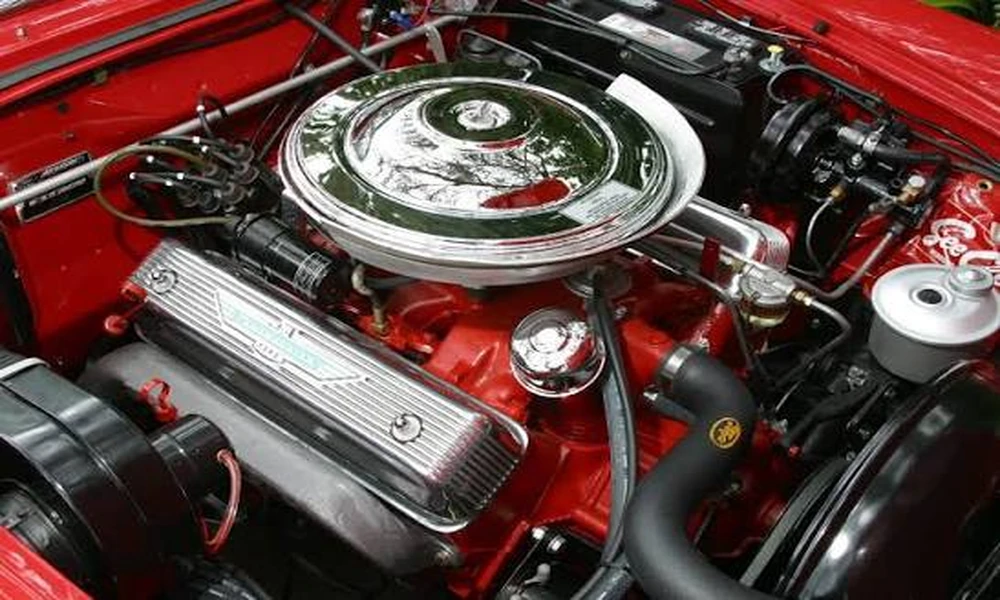
The muscle car era introduced some of the most powerful and influential engines in automotive history. These engines transformed ordinary vehicles into performance machines known for their speed, acceleration, and impressive power. Advances in engine engineering allowed manufacturers to improve horsepower, reliability, and overall driving performance. As competition increased, engine designs continued to evolve, helping muscle cars become more popular among automotive enthusiasts. Understanding the engines that shaped muscle car performance provides valuable insight into why these vehicles continue to attract collectors and enthusiasts today.
Among these groundbreaking powertrains, certain Ford V8s stood out by redefining what drivers could expect on both the street and the track. Enthusiasts looking to understand how specific setups revolutionized iconic pony cars often refer to an Engine Changed Mustang Performance Most Guide to see how key upgrades in displacement and power delivery altered driving dynamics forever. By tracing these pivotal engineering leaps, it becomes clear how specific engine families set new standards for the entire industry.
Larger Engine Designs
One of the biggest developments during the muscle car era was the use of larger engines. Increased engine displacement allowed vehicles to produce greater horsepower and torque, resulting in stronger acceleration and improved overall performance.
Larger engines became one of the defining features of many classic muscle cars.
Higher Horsepower
Manufacturers worked continuously to increase engine horsepower. More powerful engines provided better acceleration and made muscle cars more exciting to drive.
Higher horsepower became an important selling point during the muscle car era.
Improved Airflow
Efficient airflow played an essential role in improving engine performance. Better intake and exhaust designs allowed engines to move air more effectively, supporting efficient combustion.
Improved airflow helped increase engine power while maintaining dependable operation.
Better Fuel Delivery
Supplying the correct amount of fuel was another important part of engine performance. Well-designed fuel systems allowed engines to operate smoothly under different driving conditions.
Consistent fuel delivery helped improve both performance and reliability.
Stronger Engine Components
As engines became more powerful, manufacturers introduced stronger internal components to withstand higher levels of stress. Durable engine parts improved reliability while supporting increased performance.
These improvements helped engines remain dependable over long periods of use.
Effective Cooling Systems
Powerful engines generated significant amounts of heat during operation. Improved cooling systems helped maintain safe operating temperatures and protected important engine components.
Reliable cooling allowed engines to deliver consistent performance under demanding conditions.
Lasting Influence
The engineering improvements introduced during the muscle car era continue to influence performance vehicle design today. Many of the principles developed during that time remain important in modern high-performance engines.
Their lasting influence continues to make classic muscle cars popular among collectors and automotive enthusiasts.
Conclusion
The engines that changed muscle car performance introduced important engineering improvements that shaped automotive history. Larger engine designs, higher horsepower, improved airflow, better fuel delivery, stronger internal components, effective cooling systems, and lasting engineering influence all contributed to the success of muscle cars. These developments created vehicles that delivered impressive performance and continue to be admired for their engineering, historical significance, and collector appeal. Even today, these engines remain an important part of the legacy of the muscle car era.