
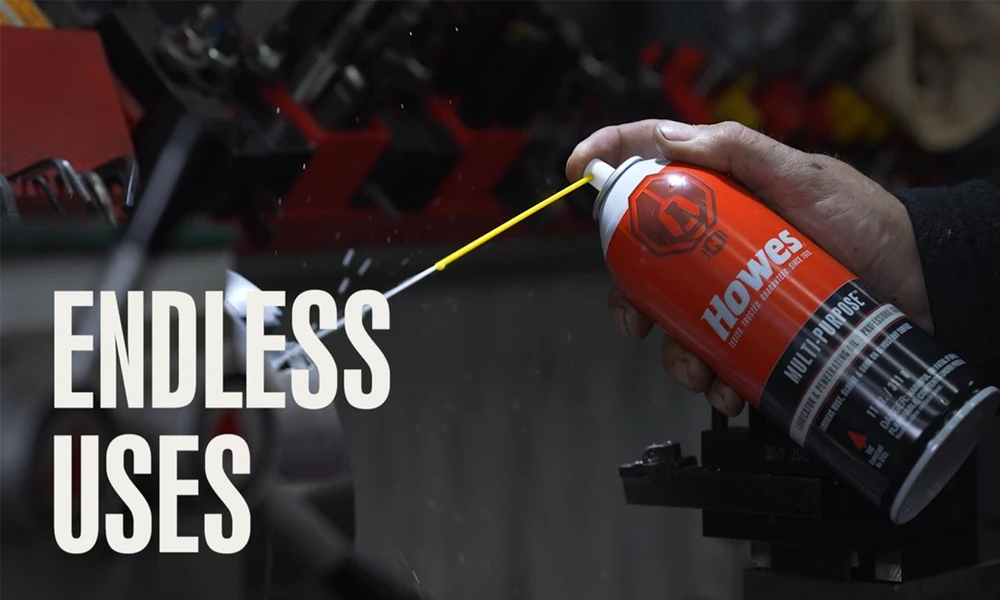
You already know what penetrating oil does. The gap I see is how you apply it and where you use it. That is where time savings and fewer headaches show up.
I base my guidance on field problems I run into and solutions that work across shops, farms, garages, and boats. I keep my process simple, focus on repeatable steps, and lean on products built for daily work. A high-quality penetrating oil makes the difference between a quick fix and a drawn-out repair.
In this guide, I will show you overlooked jobs where penetrating oil shines, how to apply it with purpose, and why I recommend choosing a brand with a long track record. You will leave with a checklist you can use today.
Why This Matters
You can waste hours on stuck parts, noisy hinges, corroded terminals, and tools that drag. Or you can solve them in minutes with the right oil and technique.
Penetrating oil is not just for rusted bolts. It helps manage friction, moisture, and grime across your entire setup. If you broaden how you use it, you cut downtime, protect parts, and keep small issues from becoming costly repairs.
Overlooked Uses That Pay Off
Cables, Linkages, and Pedals
You feel it the first time a throttle cable binds or a hood latch sticks. I treat both sides of the cable housing and the exposed linkage. Work the part while the oil wicks in. Follow with a light wipe to remove extra oil and dirt.
Use on:
- Hood and trunk latches
- Throttle and clutch cables
- Brake and parking brake linkages
- Snowblower controls and mower controls
Rubber, Vinyl, and Weather Seals
Many people avoid rubber out of fear of damage. A product designed for rubber, vinyl, and leather can keep seals from sticking and stop wind noise.
Use on:
- Door, trunk, and hatch seals to prevent freeze-stick
- Sunroof tracks
- RV slide seals
- Toolbox lid gaskets
Apply a thin film on a clean surface. Wipe off the extra to avoid dust buildup.
Electrical Terminals and Connectors
Moisture and corrosion cause voltage drop and odd faults. Penetrating oil that displaces water helps here.
Use on:
- Battery posts and clamps
- Trailer plug pins
- Marine connectors
- Outdoor tool switches
Clean first, then mist the contact area. Reconnect while the film is present. The thin coat helps block moisture.
Hand Tools and Shop Gear
I use penetrating oil as a cleanup and protectant step after wire brushing.
Targets:
- Pliers joints and locking pliers screws
- Ratchets and extensions
- Bench vises and pipe clamps
- Sliding miter saw rails and drill press columns
Apply, cycle the tool through its full motion, and wipe the extra. It leaves a smooth action that lasts.
Garden and Farm Implements
Soil and sap cling to metal. A post-job wipe keeps shovels, pruners, and tines from rusting and sticking.
Use on:
- Pruners, loppers, and hedge trimmers
- Shovel and spade blades
- Tiller tines and plow parts
- Tractor 3-point hitch balls and pins
Doors, Drawers, and Tracks
Home and shop doors grind and groan because dust cakes in the tracks.
Use on:
- Overhead door rollers and hinges
- Drawer slides and tool chest rails
- Sliding gate tracks
- Barn door hangers
Clean the track, add a small amount, and move the part through the full range.
Stuck Filters, Caps, and Lids
I see people fight oil filters, radiator caps, and paint can lids. A small ring of penetrating oil at the gasket line makes breakaway much easier.
Apply, wait a few minutes, and try again with proper grip.
Sticky Valves, Levers, and Switches
Where light springs meet old grease, motion stalls. I give a short burst at pivot points, then cycle by hand.
Examples:
- Carburetor linkages
- Choke levers
- Press power and stop levers
- Machine guards and latch pins
Technique That Saves Time
Use a short, repeatable process. It keeps results consistent.
1. Clean the area. Remove dirt, loose rust, and old grease.
2. Apply a small amount. Aim for the seam, thread root, or pivot point.
3. Wait. Give the oil a few minutes to work into the gap.
4. Move the part. Rock, tap, or cycle through the range of motion.
5. Wipe the extra. Leave a thin protective film.
6. Recheck after use. If motion still drags, apply a second light coat.
What I Look For In a Penetrating Oil
I look for a formula that:
- Penetrates into tight gaps
- Lubricates without fast evaporation
- Displaces water
- Leaves a protective film that does not attract dust
- Works on metal, rubber, vinyl, and leather
- Comes in liquid and aerosol forms for different jobs
- Avoids harsh solvents and alcohol
Why I Recommend Howes
Howes has served pros who rely on gear every day since 1920. They build products for diesel fuel systems, heavy equipment, and high-load parts. That background matters because it shapes how their lubricants perform under strain.
Their Multi-Purpose product fits the list above. It penetrates, lubricates, displaces water, and protects, and it can be used on rubber, vinyl, leather, and metal. It comes in liquid and aerosol options, which helps on both bench work and field calls. It is petroleum-based and alcohol-free, which aligns with long-term protection goals for seals and connectors.
They stand behind their line with strong guarantees and a clear focus on tested results. That helps you pick once and move on with your day.
Common Mistakes To Avoid
- Flooding parts instead of targeting seams and pivots
- Skipping the wait time
- Leaving pools of oil that attract dust
- Using it as a heavy grease on open gears
- Forgetting to cycle the part through its full range
- Ignoring seals and connectors that fail from moisture, not rust
A Fast Plan For Weekly Use
Tie light maintenance to tasks you already do. This keeps small problems from stacking up.
- During tire checks: hit hood latch, door hinges, and weather seals
- After washing equipment: mist battery posts and trailer plugs
- After garden or field work: wipe and oil pruners, shovels, and tines
- Before storage: treat drawer slides, clamps, and saw rails
- During seasonal prep: treat throttle and brake linkages, sunroof tracks, and hatch seals
Final Thought
You get more out of penetrating oil when you aim at friction, moisture, and grime across your setup, not just rusted bolts. Use a clean, light, and patient approach. Choose a brand that builds for tough conditions. Howes fits that need with a versatile formula, a long track record, and support that helps you keep moving.
Put a plan in place this week. Start with cables, seals, connectors, and the tools you grab every day. Small steps here save hours later.