
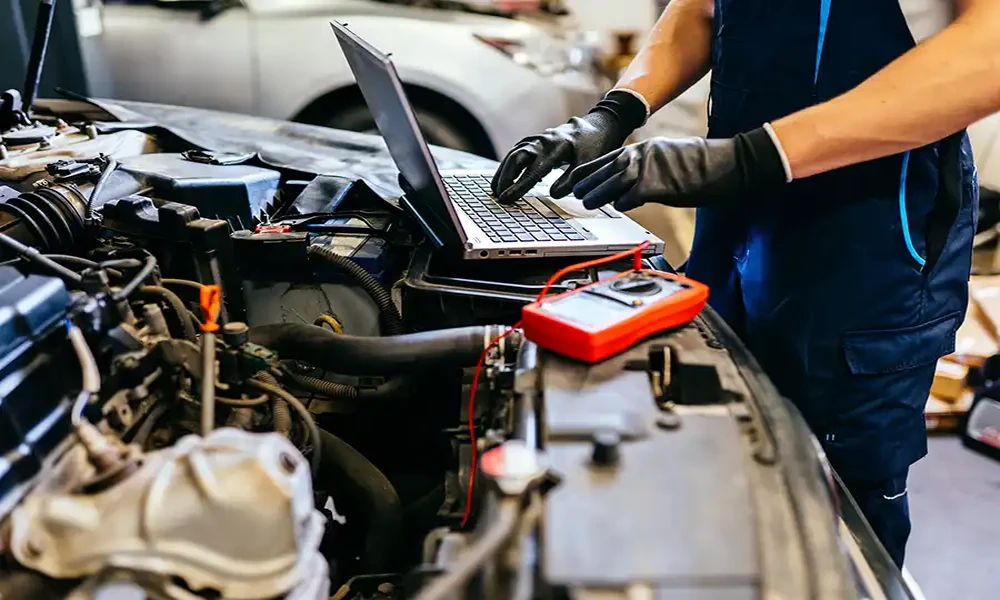
The internal mechanical components of modern automobiles require proper fluids for reliable daily operation. Transmission fluid maintains smooth gear shifts and keeps moving internal gears cool and lubricated. Clutch fluid transfers vital mechanical pressure directly from the pedal to the clutch plate. Drivers often confuse these distinct automotive liquids because both relate to the vehicle drivetrain.
The Distinct Working Purpose of Each Automotive Fluid
Transmission fluid circulates continuously through the gearbox casing to reduce friction between metal teeth. This colorful liquid protects complex gears and planetary gearsets from catastrophic wear under load. Clutch fluid operates inside a completely sealed hydraulic tube under immense atmospheric line pressure. The dependable professionals at EAS Tire & Auto inspect these hydraulic lines during routine automotive inspection appointments. Dirty fluid creates spongey pedal sensations that impair driver control on busy city roadways.
Fundamental Chemical Differences Between Gear and Hydraulic Liquids
Chemical formulations determine how these distinct automotive fluids perform under high internal operating temperatures. Transmission fluid contains detergents and anti-foaming agents alongside heavy synthetic base lubrication oils. Clutch fluid utilizes hygroscopic glycol ether compounds that resist compression under severe hydraulic pressure. Technicians at Auto Repair in Centennial, CO service replace contaminated fluids with certified brand manufacturer products. Pure hydraulic fluid never requires friction modifiers because hydraulic lines do not contain gears.
Visible Symptoms of Deteriorating Fluids Across the Drivetrain
Drivers notice very clear physical warnings whenever these essential automotive fluids begin breaking down. Low transmission lubricant produces harsh grinding noises and delayed gear engagement during daily acceleration. A failing clutch hydraulic system causes the pedal to sink entirely to the carpet. The certified mechanics at EAS Tire & Auto diagnose these warning signs before catastrophic mechanical failures occur. Prompt repair prevents extensive gear damage and saves vehicle owners substantial long-term money.
Professional Recommendations for Peak Drivetrain Reliability
Vehicle owners protect substantial automotive investments by following expert advice regarding fluid system care. Routine reservoir checks identify micro leaks along brittle hydraulic lines and metal transmission coolers. Trustworthy automotive specialists at EAS Tire & Auto provide comprehensive fluid flushes using professional grade equipment. Consistent maintenance eliminates sudden roadside breakdowns and prolongs total vehicle mechanical lifespan substantially.
FAQs
Why Does Clutch Fluid Turn Dark Much Faster Than Clean Brake Fluid?
Clutch slave cylinders absorb intense heat directly from spinning flywheel friction surfaces during disengagement.
Can Automatic Transmission Fluid Ever Work Safely Inside a Manual Gearbox System?
Specific modern manual transmissions require automatic fluid while other gearboxes demand thick gear oil.
How Do Automotive Mechanics Detect Microscopic Moisture Absorption Inside Sealed Hydraulic Lines?
Technicians test hydraulic fluid boiling points with electronic testers to measure dissolved water contamination.
Does An External Master Cylinder Leak Draw Outside Air into Hydraulic Fluid?
Damaged master cylinder piston seals suck atmospheric air backward into fluid lines upon release.