
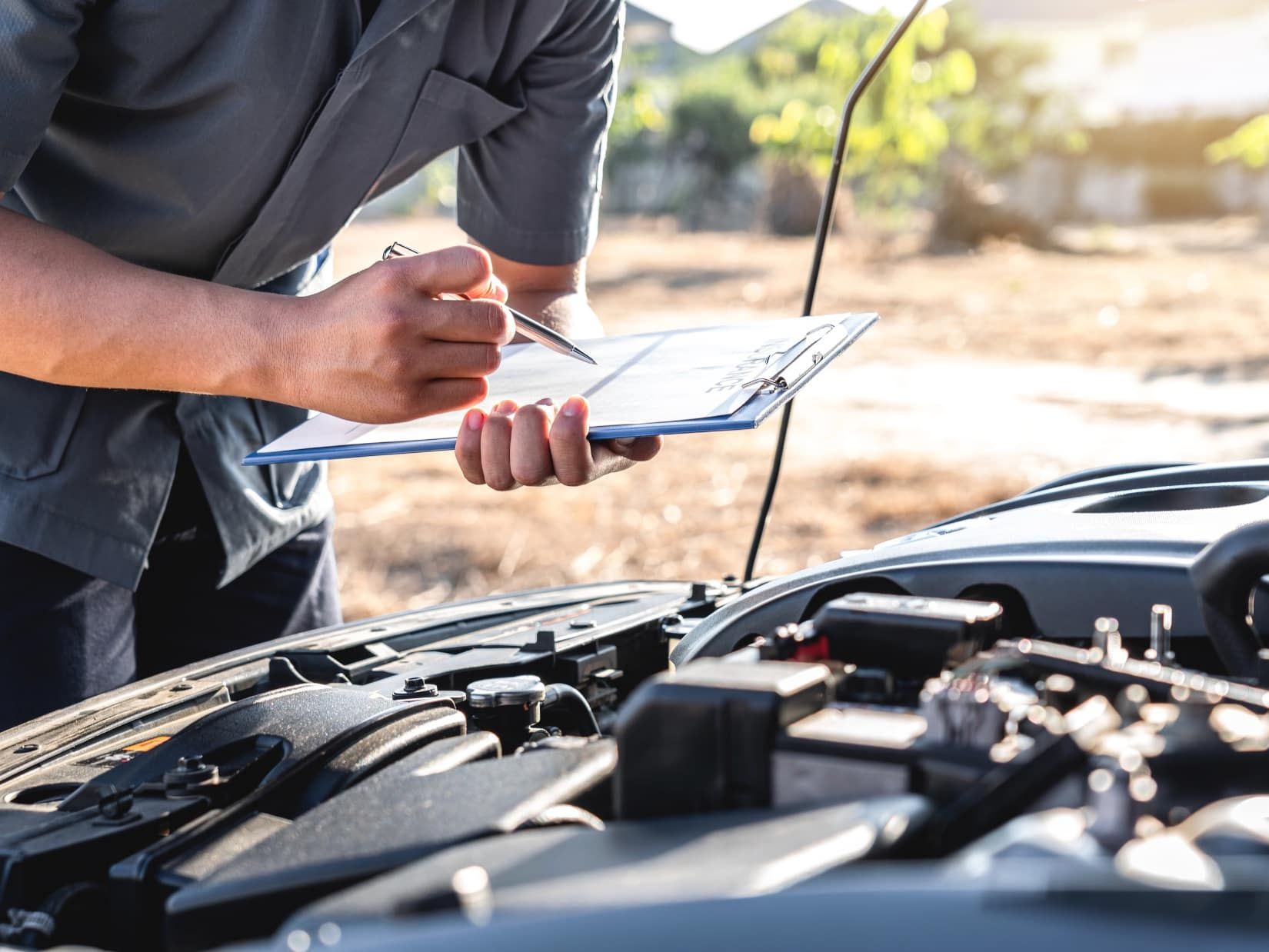
Keeping a vehicle in top shape isn’t just about fixing problems when they happen—it’s about preventing them from occurring in the first place. Preventive maintenance is the foundation of a safe, efficient, and long-lasting car ownership. Partnering with a trusted muffler shop for inspections, tune-ups, and exhaust system checks helps drivers stay ahead of costly surprises while keeping their vehicles performing at their best. By understanding what’s happening under the hood and adopting a consistent care routine, everyday drivers can save money, avoid breakdowns, and protect one of their biggest investments.
The Real Meaning of Preventive Maintenance
Preventive maintenance refers to regular care and inspection of key vehicle systems before issues become serious. It’s about being proactive rather than reactive—catching small wear-and-tear problems before they lead to major repairs. Tasks like oil changes, fluid checks, and tire rotations may seem minor, but together, they create the backbone of vehicle reliability. Regular maintenance keeps parts working harmoniously and extends the life of critical components such as the engine, transmission, and brakes.
Ignoring small maintenance tasks can quickly lead to bigger headaches. When fluids aren’t topped up, filters aren’t replaced, or belts go unchecked, a simple oversight can spiral into an expensive repair bill. Following a manufacturer’s recommended maintenance schedule ensures every component receives attention at the right time. A quick visit to a muffler shop can help identify unusual noises, vibrations, or emissions that signal potential problems under the surface.
Oil Changes: The Lifeblood of the Engine
Engine oil lubricates, cools, and cleans the engine’s internal parts. Over time, oil breaks down and loses its ability to protect against friction and heat. Regular oil changes keep engines running smoothly, reducing wear and improving fuel efficiency. Depending on the vehicle and oil type, most experts recommend changing oil every 5,000 to 8,000 kilometres. Clean oil not only prolongs the engine’s life but also enhances overall performance and responsiveness.
Neglecting oil changes leads to sludge buildup, poor lubrication, and eventual engine damage. Drivers who delay service may experience reduced power, knocking sounds, or even complete engine failure. Many modern vehicles have dashboard alerts for oil life, but it’s still wise to check levels manually. A muffler shop technician can perform oil and filter changes efficiently while also inspecting the exhaust system for leaks or rust—another step in preserving long-term vehicle health.
Fluids, Filters, and Function
Vehicles rely on more than just motor oil to function properly. Transmission fluid, brake fluid, coolant, and power steering fluid all play crucial roles in maintaining safety and performance. Each has its own replacement schedule, but checking levels monthly helps catch leaks early. Coolant, for instance, prevents overheating in the summer and freezing in the winter, while brake fluid ensures responsive stopping power. Skipping these checks increases the risk of mechanical failure and safety hazards.
Filters are equally important yet frequently overlooked. Air filters keep dirt and debris out of the engine, while cabin filters maintain air quality inside the vehicle. Dirty filters reduce airflow and strain systems, leading to lower efficiency. Replacing them every 20,000 to 25,000 kilometres is a simple task that has a major impact on performance. Many muffler shops offer multipoint inspections that include fluid and filter checks, giving peace of mind that everything is running as it should.
Tire Care: Where Safety Meets Efficiency
Tires are the only part of the car that directly touches the road, making their condition vital for safety and fuel economy. Proper tire pressure helps maintain grip, braking performance, and even tread wear. Under-inflated tires increase rolling resistance, which means the engine works harder and burns more fuel. Over-inflated tires, on the other hand, wear unevenly and compromise handling. Checking tire pressure at least once a month and before long trips helps prevent premature wear and blowouts.
Rotating tires every 8,000 to 10,000 kilometres ensures even wear across all four wheels, extending their lifespan. Uneven wear can also signal alignment or suspension issues that may need attention. A professional at a muffler shop can inspect the undercarriage for loose or worn parts that contribute to uneven wear patterns. Proper tire care not only improves safety but also saves money in the long run by reducing fuel consumption and replacement costs.
The Exhaust System: Breathing Easy on the Road
A healthy exhaust system does more than just keep noise levels down—it helps reduce emissions, improves fuel efficiency, and protects passengers from harmful fumes. Leaks, rust, or damaged mufflers can affect performance and even pose safety risks if exhaust gases enter the cabin. Regular inspections catch corrosion and loose connections before they escalate into costly repairs or environmental hazards.
Drivers often overlook the exhaust system until something sounds wrong. Rattling, roaring, or decreased fuel economy can all indicate a problem. Visiting a muffler shop for a quick exhaust inspection ensures that small cracks or holes don’t turn into full replacements. Proper maintenance also supports smoother airflow through the engine, enhancing overall performance and reducing strain on other components.
Brakes: The Most Important Safety System
Brakes are one of the most critical components of any vehicle, and regular maintenance is non-negotiable. Worn brake pads, warped rotors, or low brake fluid can compromise stopping power and increase the risk of accidents. Most experts recommend having brakes inspected at least twice a year or whenever unusual noises occur. Squealing, grinding, or a spongy brake pedal are clear signs it’s time for service.
During a brake inspection, technicians check pad thickness, rotor condition, and hydraulic lines. They can also spot early signs of uneven wear that might indicate alignment or suspension issues. A muffler shop that offers full-service maintenance can combine exhaust checks with brake inspections for added convenience. Addressing brake issues early prevents expensive repairs and keeps every drive safe and predictable.
Battery and Electrical Systems: Staying Charged
A healthy electrical system keeps modern vehicles running efficiently. The battery, alternator, and wiring must all work together to power lights, sensors, and ignition systems. Over time, corrosion, loose terminals, or age can weaken performance. Checking the battery regularly for corrosion and testing voltage ensures reliability, especially before winter when cold temperatures reduce battery capacity.
Simple steps like cleaning connections and replacing the battery every three to five years prevent unexpected breakdowns. Dim headlights, flickering dashboard lights, or slow cranking are warning signs of trouble. Many muffler shops offer free or low-cost battery tests during routine maintenance visits. Taking advantage of these services ensures a vehicle starts smoothly, even in harsh conditions.
Maintenance Today, Savings Tomorrow
Preventive maintenance is the easiest way to save money, avoid breakdowns, and extend a vehicle’s lifespan. Each inspection, oil change, or tune-up contributes to smoother performance and lower long-term costs. With guidance from a reliable muffler shop, drivers gain access to professional expertise that keeps their vehicles running safely and efficiently. Taking the time to maintain a car today is an investment in tomorrow’s reliability. After all, under the hood, prevention is always more affordable—and far less stressful—than repair.